Membership Sign-Up
Instantly join us in the Wilderness!
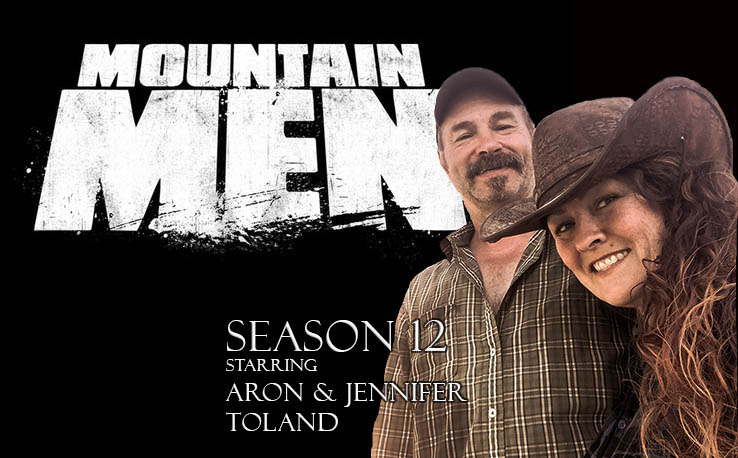
That's right, instantly join us on our wilderness adventures!
We invite you to go behind the scenes and into our lives as we carve out a crazy, adventurous, hands-on self reliant journey - deep in British Columbia's remote forest! If you watch shows like 'Life Below Zero' & 'The Last Alaskans' or have followed Dick Proenneke's 'Alone in the Wilderness' documentary series, then you will love this site!
Actually, we starred in Mountain Men - Season 12 in 2023.
We thank you for your support. Without it we couldn't bring this level of entertainment right into your home - all from our little log cabin in the middle of the Off Grid wilderness.

Our quaint off-grid fishing resort is a masterpiece in the making, and you're invited to witness its transformation. The journey to our secluded haven is an adventure in itself; we traverse the wilderness on snow machines for hours just to reach our truck for trips into town. Living sustainably off-grid, miles away from the nearest road and the bustle of civilization, offers a solitude that's hard to find. Our closest off-grid neighbor is a homesteader 35 kilometers away. While we're always happy to welcome guests, it's the grizzly bears and timber wolves that drop by more often. Join us as we share the ins and outs of establishing a resort, surviving in the wild, and nurturing a relationship that's constantly challenged by the forces of nature. There's so much to explore and learn!
Embarking on an off-grid lifestyle is a journey that comes with a myriad of questions and considerations. Individuals often inquire about the essentials for off-grid living, the significance of various tools, the financial implications, the skills necessary to thrive, and the amount of food required for a year. Such inquiries are not only common but also crucial for those contemplating this lifestyle shift. Recognizing the demand for information and guidance, our resort offers a comprehensive program with three tiers of courses designed to transition individuals from survival to a flourishing off-grid existence. These courses are tailored for couples who are eager to gain knowledge or wish to immerse themselves in the off-grid experience prior to committing fully. This is particularly beneficial for those who may have reservations about adapting to the lifestyle changes or question their ability to cope with the new challenges that off-grid living presents.
Here is a teaser from our blog and our story as we continue this incredible journey roughing it in the Wild West Chilcotin, British Columbia Canada...
As I sit here at Eliguk Lake, writing about our journey to this amazing place, I can't help but wonder how we ever made it here at all? It's me, Jennifer - crazy, adventurous wife lady of Aron Toland, (aka Mountain Man) and this is all about our "next chapter in life". We could have filled a whole season of one of the best reality shows EVER with just 15 days in an unforgiving landscape! At the very least, we should be airing an episode of "I Shouldn't Be Alive"....or so it felt that way in the beginning. Follow our real-life story of how we (just passing middle age folks) cope with the wilderness, and get a better understanding of 'why' we're even doing it!
I woke up naturally to the chorus of songbirds, capturing the sweet scent of fresh pine swirling through my open window with notes of wildflowers. I got out of bed, eagerly anticipating the one thing I had been waiting almost a year to see… I walked out the cabin door, then gasped… "there it is!" So loud, Aron stumbled out of bed and hurried to the porch, eager to see what I was looking at. "Isn't it great" he boasted, smiling as he kissed my forehead. The towering snow-capped extinct volcano and its majestic peaks stood before us, painting a perfect picture of natural beauty. A thick green coniferous forest stretched out along its base in every direction along the lake; it was breathtaking! Rainbow trout by the hundreds jumping, creating rings on the lake's glass-like surface, catching the newly hatched midges that danced just above the surface. An eagle swooped down and scooped a fish just off our shoreline, and I turned my head to look at Aron as my jaw dropped in disbelief. We had been transported back in time to an untouched wilderness, a secluded paradise far off the grid, and the idea of being stuck in the middle of nowhere for a while was exciting! I felt rejuvenated and free, like we were the last people left on Earth.
...continued on our blog page...please subscribe!
Click the PayPal button below for easy checkout! See you back here soon!
With a ONE-TIME PAYMENT of $29.88 (CA), you can become a part of our wilderness journey!
After you pay through PayPal, you will receive a link in your email (check your junk folder too!) It's a time sensitive link, so you'll have to complete this process right after you sign up. It's easy, after you click the link in your mail, it directs you to the log-in site where you can make up a user name and password. After that you can head into the blog by clicking on the tab 'Eliguk Outpost'.
Since Dec 2018, PayPal now allows people to make a payment without having to sign up for an account. It's referred to as 'local payment method' (LPM) and it's a payment method in which they allow anybody to use without an Account to send a payment.
Starting in February 2024, we're also featuring our off grid adventures in 'The Backwoodsman Magazine!'
Click this link to our article in the magazine
"Outdoor Canada" 2018.
Find us on YouTube FURTHERMOST ELIGUK OUTPOST!
Where we have many video's of life in the wilderness.

Off Grid Life Blog...How do we blog?
Our home is off the beaten path, powered by the sun, and connected to the world through a WiFi satellite dish—cheers to the tech wizards of our time. When the weather throws a tantrum, we crank up the generator to keep our little slice of paradise humming. Who says you can't enjoy the finer things while living off-grid? Sure, we've bid adieu to running water when its below freezing and the modern throne, but life's about trade-offs, right? Nestled about 400km from the nearest urban jungle, we're neighbors with Grizzlies and Timber Wolves—talk about an adrenaline rush!
We're just your average mid-lifers who had an epiphany: there's got to be more to life than the metropolitan merry-go-round of work and bills. After half a decade of plotting and planning, we're ready to spill the beans on how we traded concrete jungles for starlit skies.
It's staggering how quickly we've gone from self-reliance to societal umbilical cords. It feels like we're front-row spectators to civilization's swan song. But here we are, cutting ties with the industrial food complex and stepping off the relentless treadmill of modern life.
Crafting our own off-the-grid existence, we've become maestros of our destiny, deciding what happens and when. This isn't just our story; it's a global chorus, growing louder by the day. Living without the crutch of public utilities is the new badge of honor, whether you call it Homesteading, Re-wilding, or Permaculture—it's all about a sustainable, back-to-basics lifestyle.
Buckle up, because we're inviting you to a members-only journey through our lives, unfolding in real-time like an epic saga with no end in sight.


We look forward to meeting you!
Sincerely,
Aron Toland (aka Mountain Man), and his wife of (Jill of all Domestic trades, highly tolerant, adaptable, forgiving with built -in coping mechanisms) Jennifer.